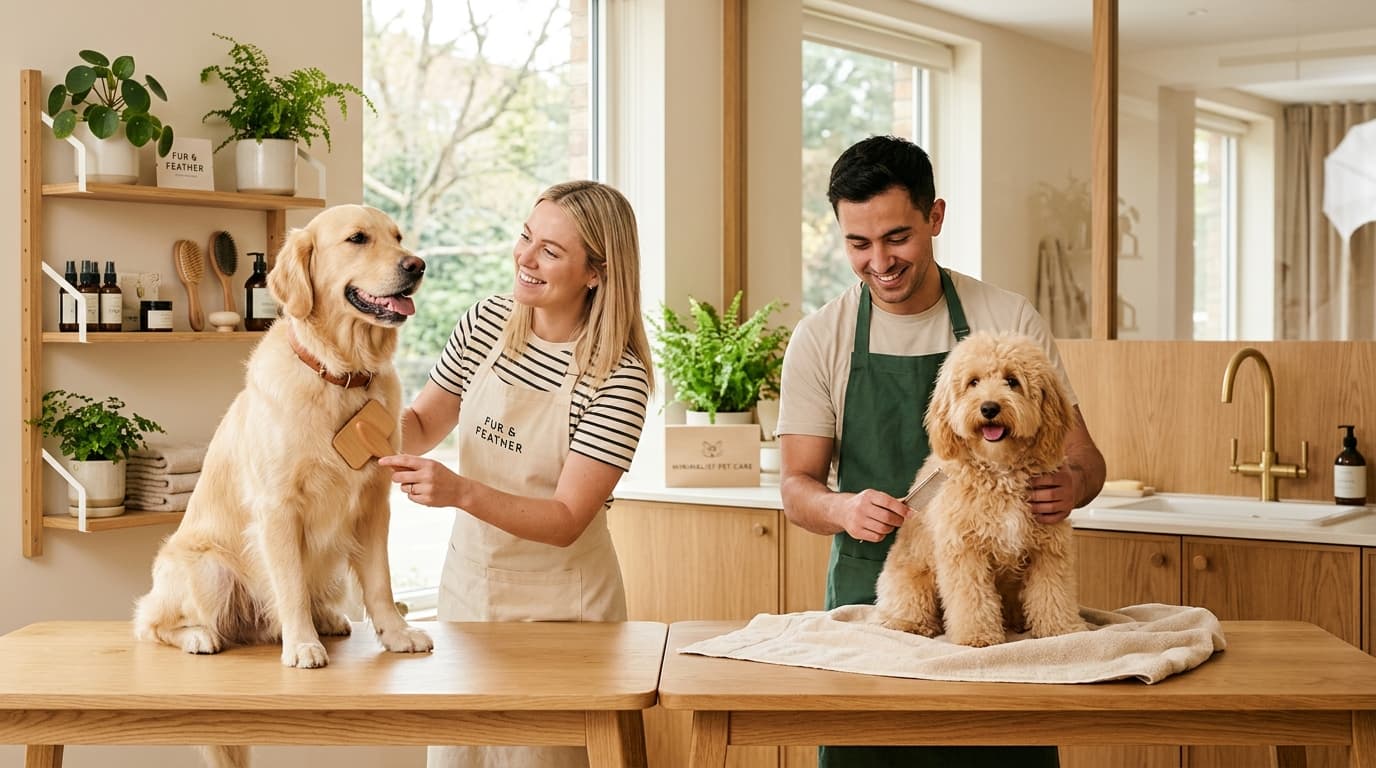
Clinical & Salon Overview
How and what your pet eats from directly impacts their gastrointestinal health, spinal alignment, and dermatological condition. Porous plastics harbor bacterial biofilms that cause stubborn feline chin acne and canine muzzle folliculitis, while improper eating postures increase air ingestion and bloat risk in deep-chested breeds. This master guide outlines clinical material standards, ergonomic feeding heights, and sanitary hydration protocols for Mid-South dogs and cats.
1. Material Science: Why Plastic Bowls Harm Dogs and Cats
When inspected under magnification, even brand-new plastic pet bowls reveal micro-fissures and manufacturing pores. As pets lick kibble fats and saliva, microscopic bacteria embed deep within these fissures. Sponges cannot reach these pockets, creating a persistent bacterial film. In cats, this triggers chin acne (black comedones and infected pustules); in dogs, it leads to lip fold dermatitis and chronic muzzle redness. Switching to electropolished 304 stainless steel or heavy glazed ceramic eliminates this vector completely.
Recommended Salon Protocol
- Replace all plastic bowls with stainless steel or non-toxic glazed ceramic.
- Wash water bowls every 24 hours: standing water develops a slippery bacterial biofilm within 48 hours.
- Inspect ceramic dishes regularly for chips or hairline cracks, which harbor bacteria similar to plastics.
Over 60% of recurring chin pustules in Mid-South pets resolve within 14 days solely by replacing scratched plastic dishes with sanitized stainless steel or ceramic.
2. Elevated Feeders vs. Floor Level: The Bloat (GDV) Equation
Gastric Dilatation-Volvulus (GDV or bloat) is a life-threatening medical emergency where the stomach fills with gas and twists. For years, elevated bowls were widely recommended. However, Purdue University veterinary studies revealed that elevated feeders actually INCREASE bloat risk in giant breeds with deep chests (Great Danes, Standard Poodles, Irish Setters) by altering esophageal entry angles. Elevated feeders should strictly be reserved for pets with megaesophagus or severe cervical arthritis as directed by your veterinarian.
| Pet Category | Recommended Height | Primary Objective | Recommended Dish Type |
|---|---|---|---|
| Standard & Deep-Chested Dogs | Floor Level | Prevents rapid air ingestion (aerophagia) | Maze Slow Feeder Bowl |
| Senior Dogs with Severe Arthritis | Shoulder / Elbow Height | Relieves cervical spine and joint strain | Non-Slip Elevated Stand |
| Brachycephalic Breeds (Pugs, Frenchies) | Slightly Tilted (15°) | Clears flat nasal pathways while eating | Ergonomic Shallow Slanted Bowl |
| Cats & Kittens | Floor / Low Platform | Prevents whisker fatigue on bowl rims | Wide Shallow Saucer / Dish |
3. Hydration Mechanics in Mid-South Summer Humidity
During warm seasons and high ambient humidity, a dog’s natural panting cooling efficiency decreases. Pets require 1 ounce of clean water per pound of body weight daily. For cats (descendants of desert carnivores with low thirst drives), circulating water fountains and wet food toppers are mandatory to prevent chronic kidney disease and urinary crystal blockages.
Recommended Equipment & Mid-South Supplies
Professional equipment proven to maintain health between salon visits
Heavyweight 304 Stainless Steel Non-Tip Bowl
Feeding & Watering
Electropolished medical-grade steel with bonded non-slip rubber base; dishwasher safe and 100% rust-proof.
Whisper-Quiet Ceramic Pet Water Fountain (2.5L)
Fountains
Heavy non-porous ceramic body with dual-stage activated carbon and ion-exchange filtration to encourage hydration.
Veterinary Spiral Slow Feeder Maze Dish
Bowls & Dishes
Promotes healthy pace; extends feeding times by up to 10x to eliminate aerophagia and regurgitation.
Heavy-Duty Raised Edge Silicone Feeding Mat
Feeding Mats
0.6-inch raised spill guard contains up to 1 liter of splashed water; protect hardwood floors from moisture damage.
Serving Pets Across Greater Memphis & Shelby County
Whether you live near Midtown, Germantown, Bartlett, Collierville, or Arlington, All About Pawz offers full salon appointments and concierge pet care.