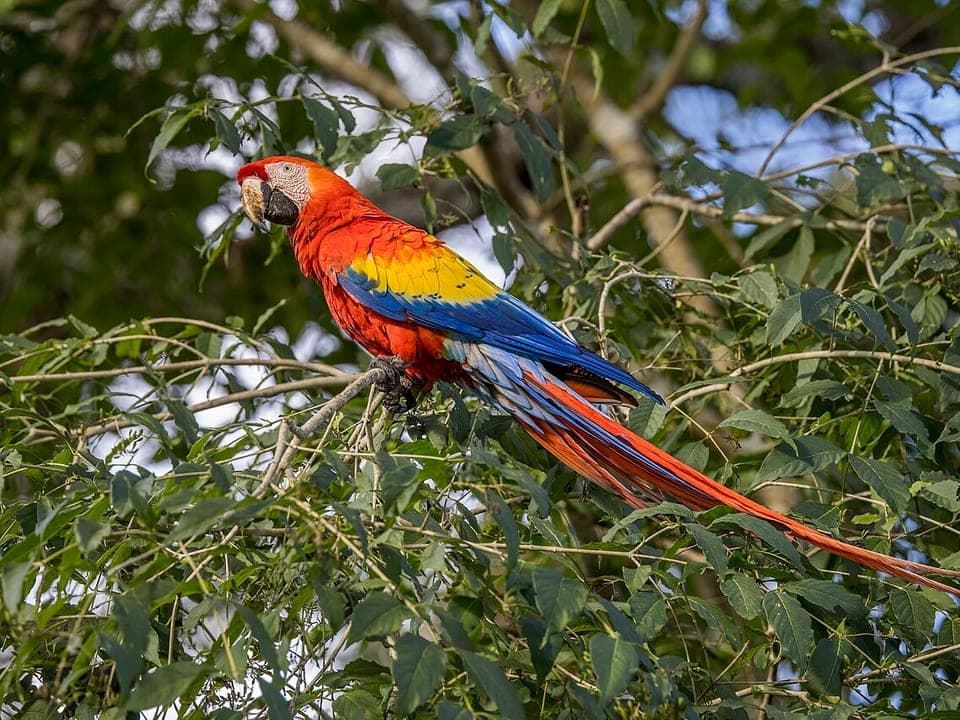
Category overview
What would you call a human diet of nothing but buttered popcorn? Tasty, fatty, and quietly catastrophic is how avian keepers describe the seed-only bowl. Sunflower and millet are the treats of the bird world, energy-dense and nutritionally narrow, yet they anchor most starter food mixes because birds adore them. The honest path is less dramatic: a formulated pellet base, a rotating cast of fresh vegetables and fruits, and the patience to migrate a seed junkie across gradually. Here is how each layer works and where species complicate it.
Why Seed-Only Diets Fall Short
A bowl of mixed seed fails not because seed is poison but because it is incomplete and easy to overeat. Seed delivers fat and energy in concentrated form while running short on calcium, vitamin A, and several amino acids, so a seed-fed bird slowly drifts toward obesity with deficiencies hiding underneath. Birds also cherry-pick, hunting the fattest seeds and husking the rest to the floor, so the balanced blend you bought is not the blend being eaten. The wild relatives of these species graze dozens of foods daily, and no single seed mix copies that range.
Selection tips
- Treat seed mixes like treat jars, not meal foundations, from day one.
- Watch which seeds get husked first; those are the fattest ones.
- Judge the diet by what gets swallowed, not what gets poured.
Pellets as the Honest Base
Formulated pellets are the boring, reliable layer of the diet, engineered to be complete in every bite so cherry-picking stops working. Sized to the species, small crumbles for budgies, chunky morsels for macaws, they carry vitamins and minerals in stable form, and they spoil far slower than fresh foods. Two cautions keep it honest: pellets are a base, not a total diet, because fresh foods carry value pellets cannot fully copy, and a bird raised on seed will not simply switch because the bowl changed. Both problems have answers below.
Selection tips
- Match pellet size to beak size; oversized pellets get tossed unused.
- Compare pellet options by ingredient list, not by bag artwork or slogans.
- Store pellets in airtight containers, since oils turn rancid in warm rooms.
Fresh Foods That Pull Weight
Fresh produce is where a diet becomes a life. Dark leafy greens, shredded carrot, bell pepper, broccoli florets, squash, and the occasional berry deliver vitamin A, moisture, and texture variety no pellet copies. Serve them chopped raw, clipped to the cage bars, or woven into a chop mix the bird picks through all day. Fruit earns its place but in modest portions, since sugar is sugar. Introduce new foods repeatedly and without pressure; a food ignored six times is often the seventh time's favorite, and the mess is the price of a real diet.
Selection tips
- Anchor the fresh portion in leafy greens and orange vegetables daily.
- Offer any new food many times before deciding your bird hates it.
- Keep fruit portions small and treat dried fruit like candy.
Avocado, chocolate, caffeine, alcohol, and the onion family are established hazards for birds, and salty human snacks do no favors either. When in doubt about a food, check with a veterinarian experienced with birds before offering it, not after.
Species Differences at the Bowl
One feeding plan does not travel across species, because parrots evolved across wildly different menus. The table below is the starting map, not the law: individuals vary, and a bird with a health condition needs a plan shaped with professional help. Use it to sanity-check the next bag you compare in a listing, and to catch the species, like lorikeets, whose needs break the standard template entirely.
Selection tips
- Treat the table as a starting map, then adjust to your individual bird.
- Never convert a lorikeet to pellets; their nectar formulas are the diet.
- Ask an avian vet before reshaping any diet around a health condition.
| Species group | Sensible base | Fresh-food notes |
|---|---|---|
| Budgies, cockatiels | Small pellets plus measured seed | Leafy greens, grated carrot, millet as treats only |
| Conures, caiques, pionus | Small-to-medium pellets | Chopped vegetables daily; fruit sparingly |
| Amazons, greys, cockatoos | Medium pellets, strict seed limits | Vegetable-heavy and low fat; watch the scale |
| Macaws, large parrots | Large pellets plus in-shell nuts as treats | Mixed nuts sparingly; harder vegetables welcome |
| Lorikeets, lories | Specialized nectar and powder formulas | Soft foods daily; pellets and seed unsuitable |
| Canaries, finches | Fortified seed-and-pellet finch blends | Greens and egg food, especially while molting |
The Pellet Conversion Marathon
Converting a settled seed eater to pellets is a weeks-long negotiation, occasionally months, and the method is patience rather than force. Mix a rising ratio of pellets into the seed over weeks, crush pellets over familiar food to transfer scent, or hand-feed pellets as treats so they read as currency. Never simply swap bowls and wait: a bird can starve beside food it does not recognize as food. Weigh your bird in grams on a kitchen scale every few days throughout, because steady weight is your only honest progress meter.
Selection tips
- Shift seed-to-pellet ratios gradually across weeks, never overnight.
- Log gram weights every few days so drift cannot hide.
- Celebrate pellet tastings like wins; the first crunched pellet is real progress.
Run the whole conversion under a veterinarian experienced with birds for very stubborn birds, young birds, or any bird losing weight. A gram scale catches trouble days before your eyes do.
Reading Bags Without Falling for Them
Bird food packaging works hard, with jungle art, honey glazes, and fortified seed blends promising balance that the contents do not deliver. Fortification helps but does not fix the underlying fat profile of a seed-heavy mix. Turn the bag around and read like a skeptic: ingredient order, whether seed dominates the first five entries, and what the formulated analysis says about fat. The same scrutiny travels with you as you compare food listings anywhere: the front of the bag is advertising, the side panel is the product.
Selection tips
- Read the ingredient order before trusting any balanced-blend claim.
- Compare fat percentages between mixes; lower is usually safer ground.
- Distrust honey-coated treat sticks posing as everyday staple food.
Keeping Food From Going Stale
Bird food is food, and it spoils on a schedule. Seed and pellets both carry oils that turn rancid in warmth, and a rancid base is quietly rejected by birds or, worse, eaten anyway. Buy in bag sizes your bird finishes within weeks rather than bulk bargains, decant into an airtight bin away from sunlight, and date the bin when you open it. Fresh foods follow stricter rules: remove wet leftovers after a few hours, especially in summer, before fermentation or mold begins, and wash dishes daily without exception.
Selection tips
- Buy bag sizes your bird finishes within a few weeks, not months.
- Decant into a dated airtight bin kept out of warm sunlight.
- Pull wet fresh foods after a few hours, sooner in summer heat.