Category overview
A dog rearranges your living room to suit itself. A reptile cannot. Whatever climate the room provides is the whole of its world, from the warmth under its belly to the moisture in the air, and it has no way to move somewhere better. That is the quiet premise of this hobby: you are not picking out accessories for an animal, you are building a landscape it lives inside. The order of operations matters, and it starts with research rather than shopping.
Reptiles Are Landscape Animals
A cat pushes a pillow off the couch and finds a new one. A lizard has no such leverage. Its enclosure is the landscape itself: the temperature range, the light, the moisture in the air, and the surfaces it can climb or burrow into. Improve the view and the animal is unmoved; improve the climate and its whole life changes. Keepers who internalize this stop asking which decoration looks best and start asking what the animal can feel. Every choice, from bedding to a water bowl, is part of the weather system you run.
Selection tips
- Ask what the animal can feel, not what guests can see.
- Treat every addition as weather: it changes heat, humidity, or behavior.
- A better view does nothing; a better gradient changes everything.
Species Research Before Any Shopping
Every solid setup begins with a care sheet for the exact species, not for reptiles in general. Note the adult length, the temperature gradient it needs, whether it basks in open light or hides from it, the humidity band, and the diet. A juvenile bearded dragon and an adult iguana share an aisle at the shop and almost nothing else. Write the numbers on one page and let that page govern the shopping list, because an enclosure bought by guesswork gets rebuilt within the year. Research is the cheapest part of the hobby and the part that saves the most.
Selection tips
- Find a care sheet for the exact species, never reptiles in general.
- Plan around the adult size, since juveniles grow faster than enclosures.
- Compare lifespan expectations honestly; some species outlive the commitment.
Write adult size, temperatures, humidity, diet, and lifespan on a single sheet before you shop. If a product answers none of those needs, it belongs to a later trip.
The Heat, Light, and Water Budget
Heat, light, and water are the three recurring bills of reptile keeping, and they come before anything decorative. Heating runs on electricity around the clock, lamps expire on a schedule rather than on your watch, and misting or soaking consumes water week after week. Price those lines first, then see what remains for backgrounds and themes. The animal reads these three systems every single hour; the resin waterfall is scenery. Budgeting this way also protects the animal from the classic failure, where the fun purchases arrive first and the boring essentials get postponed to a paycheck that keeps moving.
Selection tips
- Budget electricity, replacement lamps, and water before any decor purchase.
- Treat heating and lighting as running costs, not one-time buys.
- The essentials list gets funded first; scenery waits for surplus.
Decor Comes Last in the Plan
This ordering feels backward in the shop and saves money everywhere else. Once the gradient, the light, and the moisture behave, the furniture has a clear job: give the animal places to hide, climb, and drink, in materials you can clean. Hides and branches chosen at this stage fit the plan instead of fighting it, and the enclosure ends up looking intentional rather than crowded. As you compare decor listings later, filter them through one question: does this serve a behavior the species actually has? Anything that fails the question is scenery for you, not furniture for them.
Selection tips
- Shop decor after the climate works, never before.
- Ask whether each piece serves hiding, climbing, or drinking.
- Favor materials you can scrub or soak without ruining them.
Run the Enclosure Empty First
The week before the animal arrives belongs to the enclosure alone. Set everything up, then watch the numbers through full days and nights: the warm area at midday, the cool area during the hottest afternoon, the humidity after each misting. As you compare thermometer and hygrometer listings, favor instruments that report readings you can write down over ones that merely look handsome. Weak spots that look fine on paper show up quickly, a screen top that dumps moisture, a corner that never warms. Fixing them costs nothing but time while the tank is empty, and everything after the animal moves in is troubleshooting under pressure.
Selection tips
- Track temperatures and humidity for several days before the animal arrives.
- Fix weak spots while the enclosure is empty and stress-free.
- Verify day and night cycles separately; both need to hold.
The Long Commitment Reality
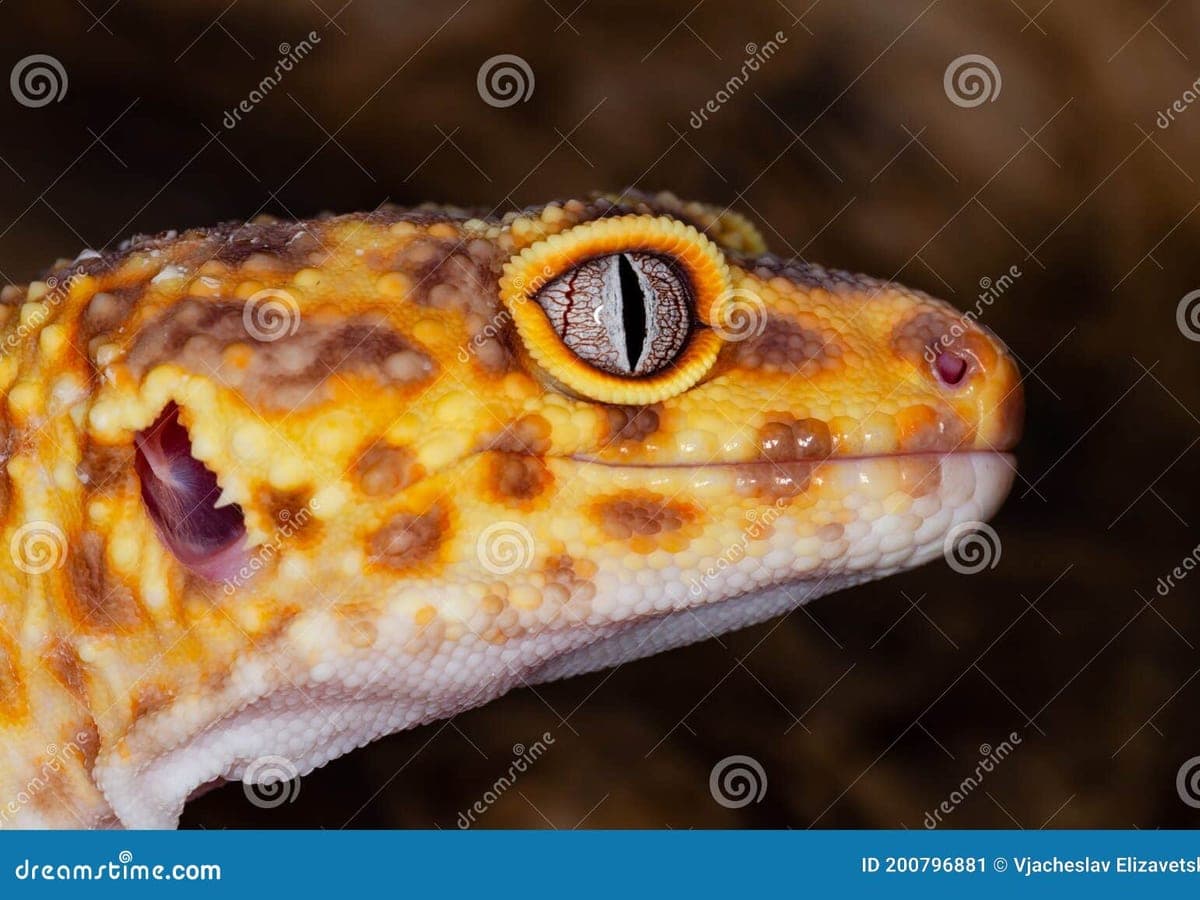
Lifespans in this family run long. Leopard geckos commonly pass fifteen years, ball pythons can cross twenty or thirty, and a tortoise may simply outlive you, which is a sentence worth reading twice before checkout. Ten years of stable electricity, space for an adult enclosure, and a plan for vacations all belong in the decision. Locate an exotics-savvy veterinarian before you need one, since ordinary clinics sometimes lack reptile experience. A keeper with a contact already saved handles the first shedding problem or hunger strike with a phone call instead of a panicked search.
Selection tips
- Research the species lifespan in years, then commit to all of them.
- Save an exotics vet contact before the first sign of trouble.
- Plan vacations around who feeds and checks temperatures in your absence.
Find a veterinarian experienced with reptiles before trouble starts. Annual checks catch husbandry drift early, and a saved contact turns the first odd symptom into a question rather than a crisis.
Finding an Honest First Species
The hobby has classic entry points for good reasons. Corn snakes and leopard geckos forgive small mistakes, eat simply, and stay a manageable size. Bearded dragons are more demanding on space and greens but famously calm. What they share is deep, well-documented care history, which means your questions already have tested answers. Resist the impulse to start with the animal that impressed you at an expo; rare species often carry thin documentation and unforgiving margins for error. Boring and documented beats rare and hopeful for a first enclosure.
Selection tips
- Begin with a species that has decades of documented husbandry behind it.
- Manageable adult size matters more than a striking juvenile appearance.
- Skip rare, thin-documented species until your second or third setup.