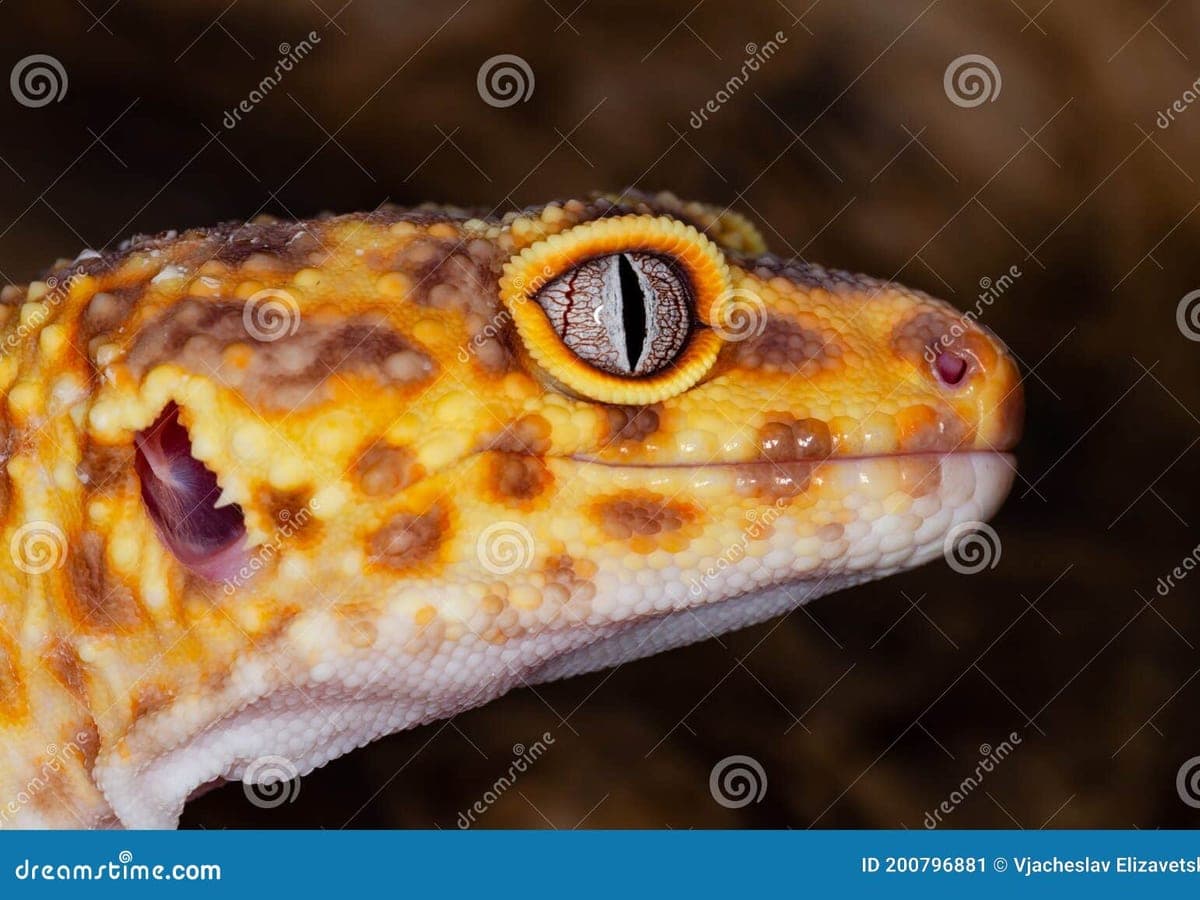
Category overview
Most reptile health problems trace back to the menu. The chubby bearded dragon eating only mealworms, the iguana raised on lettuce alone, the snake that will only accept live prey: each failure starts as a convenience and hardens into a habit. Feeding these animals well means taking the species seriously, loading feeder insects with food before they become food, moving snakes onto frozen thawed rodents, and building genuine variety into a herbivore's bowl. The cadence of dusting ties it together, and none of it is difficult once it is scheduled.
Start With What the Species Eats
The first honest question is what the animal eats in the wild, and the answer sorts every species into a lane. Insectivores like leopard geckos need living prey worth chasing. Obligate carnivores like most snakes take whole prey and nothing else. Herbivores like green iguanas and most tortoises run on greens and flowers, full stop. Omnivores like bearded dragons shift the balance themselves, insects when young and mostly plants as adults. Misread the lane and no amount of product quality rescues the diet, because the chubby dragon in the opening paragraph is an omnivore being fed like an insectivore.
Selection tips
- Classify the species first: insectivore, carnivore, herbivore, or omnivore.
- Remember bearded dragons shift from insects toward plants with age.
- Whole prey for snakes; nothing processed belongs in the plan.
Gut Loading Makes the Insect the Meal
A cricket fresh from the shop is an empty truck. Its body is mostly chitin and water until it eats, so the keeper’s job is loading the cargo: offer the insects leafy greens, sliced vegetables, and a dry gut-load grain for the day or two before they enter the enclosure. Hydrate with a slice of orange or a gel rather than a water dish, which drowns crickets and fouls the container. The nutrition your gecko receives was decided in your deli cup, hours before feeding time. Dust lightly right at feeding time, because a dusted insect sheds its coating within hours.
Selection tips
- Load insects on greens and quality dry gut load for a day.
- Hydrate feeders with fruit slices or gel, never an open dish.
- Dust immediately before feeding; coatings wear off within hours.
Feed the feeders for at least twenty-four hours before offering them, and keep a small colony of loaded insects rotating so something is always ready. The last meal before the predator is the one that counts.
Frozen Thawed Rodents for Snakes
The responsible standard for rodent-eating snakes is prey that was frozen and is thawed for the meal, and the welfare logic runs both directions: a live rodent left unattended with a disinterested snake bites back. Thaw in the refrigerator overnight, then warm the prey in a sealed bag in warm water until it reads roughly at natural body temperature, never in a microwave, which cooks unevenly and leaves scalding pockets. Offer on long tongs with patience, and resist handling the snake for a day afterward while digestion runs. When comparing frozen rodent listings, sealed packaging beats bargain bags. A snake refusing thawed prey usually wants more scent, more warmth, or darker, quieter conditions, not a live alternative.
Selection tips
- Thaw rodents in the fridge, then warm in sealed bags.
- Never microwave prey; hidden scalding spots burn mouths.
- Skip handling for a day after meals while digestion works.
Vegetable Variety for Herbivores
An herbivore's bowl is its entire diet, and monotonous bowls quietly fail. Build iguana and tortoise salads from a rotation of dark leafy greens, collard, mustard, dandelion, and endive, with grated squash, chopped vegetables, and occasional flowers. Rotate the components weekly rather than by daily whim, because variety over time smooths out nutritional gaps. Strong-flavored items like spinach and kale fit in moderation rather than as daily staples, since their oxalates and goitrogens argue against a monopoly. A tortoise's native range decides details, grassland grazers and forest browsers wanting genuinely different salads.
Selection tips
- Anchor salads in a weekly rotation of dark leafy greens.
- Treat iceberg lettuce as water; it contributes almost nothing.
- Feed spinach and kale in moderation, never as the base.
Calcium and D3 Dusting Cadence
Dusting is where feeding becomes preventive care, and the cadence matters as much as the powder. Growing insectivores want lightly dusted insects at nearly every meal; healthy adults taper to a few meals a week, with the exact rhythm set by the species, the lighting it lives under, and advice from an exotics-savvy veterinarian. Use a plain calcium powder with vitamin D3 for most indoor setups, dust lightly in a swirling bag or cup, and never double-dust on the theory that more is safer, because fat-soluble vitamins accumulate rather than flush. The powder belongs on the prey minutes before feeding; shaken onto the enclosure floor it just decorates the bedding.
Selection tips
- Dust at nearly every meal for your fast-growing juveniles.
- Taper adult dusting to a few meals weekly.
- More is not safer; fat-soluble vitamins accumulate silently.
Tremors, a soft or rubbery jaw, or a lizard that stops climbing warrant a same-week call to a reptile veterinarian. Calcium problems respond best when caught while appetite is still normal.
Feeding Frequency by Age and Species
Frequency is species arithmetic, not a fixed rule. Young insectivores eat daily or near it; their adults taper to every second or third day. A bearded dragon moves from daily insects as a juvenile toward plant-dominant meals every other day. Snakes run the slowest clock, adult pythons and corn snakes often thriving on one prey item every one to two weeks. Appetite is also a health signal worth logging: a missed meal means little, a month of refusal means the husbandry log and possibly a reptile veterinarian get involved. Record dates and portions, because memory smooths over exactly the trend a vet wants to see.
Selection tips
- Feed young insectivores near-daily; adults every two or three days.
- Adult snakes commonly eat well on a one-to-two-week clock.
- Log every meal; refusal trends matter more than single misses.
One Menu, Four Feeder Philosophies
The feeding plan for any species resolves into one of four philosophies, and each carries its own preparation before the bowl or tongs. The table matches the philosophy to its prep work and its honest trap, so a quick read before shopping feeders or frozen prey answers the two questions that matter: what does this animal eat, and what must happen to the food first?
Selection tips
- Name the philosophy before shopping anything for the menu.
- Prep work decides the nutrition; the purchase is half.
| Feeder philosophy | Prep before offering | Honest trap |
|---|---|---|
| Live insects | Gut load a day, dust at feeding | Escaped crickets chew sleeping animals |
| Frozen thawed rodents | Fridge thaw, warm in bag, tongs | Impatience pulls keepers back to live prey |
| Fresh greens and vegetables | Rotate bases, chop to bite size | Monotonous salads starve quietly |
| Commercial pellets | Use as a supplement layer | Convenience quietly replaces fresh food |