05PET EDUCATION CENTERBAG
Clinical Hydration & Digestive Architecture

Feeding & Watering Essentials: Bowls, Fountains & Nutrition Hardware

Veterinary-approved equipment standards to prevent bacterial dermatitis, eliminate canine bloat risks, and maintain optimal hydration in the humid Mid-South climate.

4.9 out of 5 stars(500+ Verified Pet Parents)
All About Pawz Care Team — Master Groomers & Nutrition Specialists, All About Pawz MemphisAll About Pawz Care TeamMaster Groomers & Nutrition SpecialistsVet reviewed · Dr. Michael Vance, DVMMid-South Veterinary Consultant6 min readUpdated October 2026
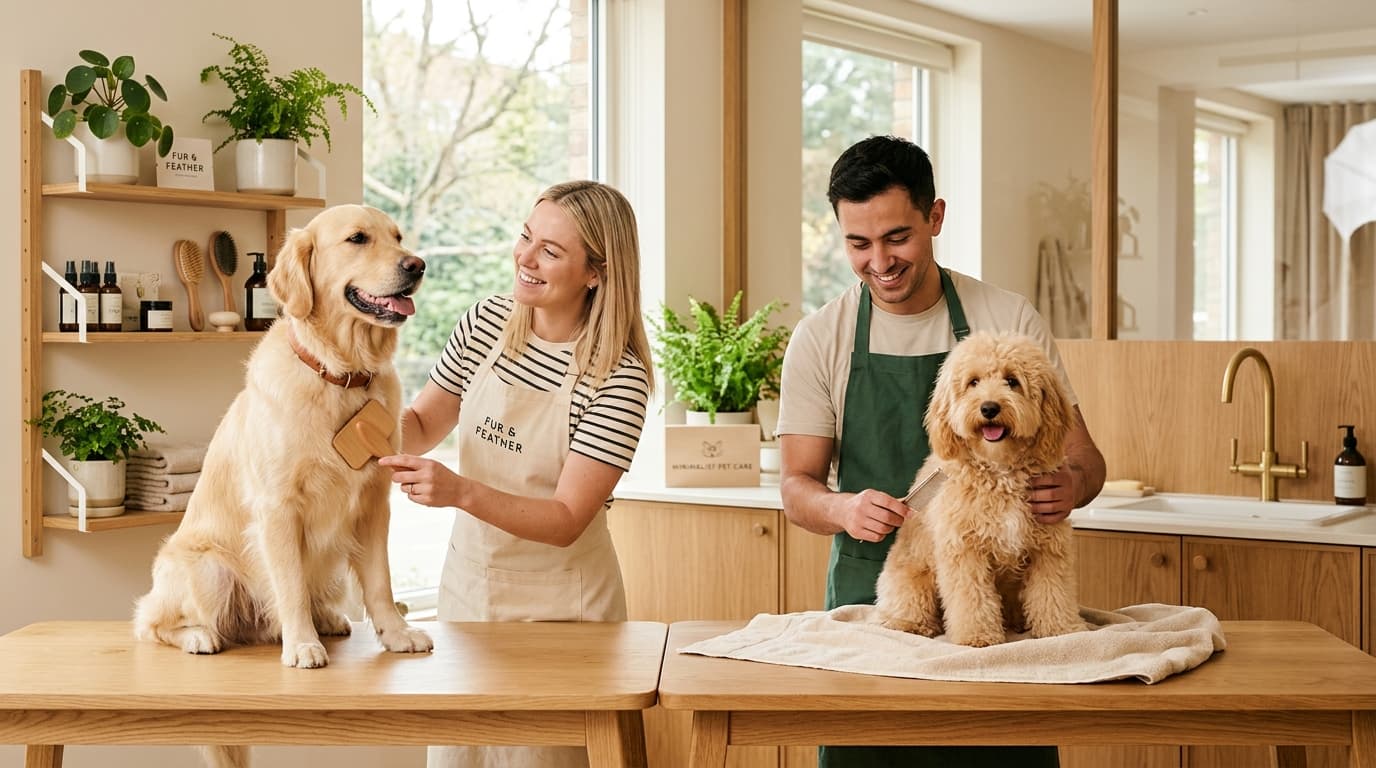
Feeding & Watering Buying & Care Guide featured care guide
Explore Guide & Tools*

Certified fear-free handlers & master groomers

*Certified master groomers and fear-free handling protocols.

Clinical Care Standards

Essential principles for feeding & watering buying & care guide

Take advantage of our veterinary-aligned protocols designed to keep your companion healthy, comfortable, and vibrant.

Non-Porous Material Standards

  • Medical-grade 304 stainless steel resists micro-scratches where pathogenic Salmonella and E. coli colonize.
  • Zero toxic plastic bowls eliminates phthalate leaching and contact plastic allergy reactions on pet lips.
  • Heavy lead-free glazed ceramics provides weighted stability that prevents tipping and meal sliding.

Bloat (GDV) & Ergonomics

  • Slow-feeder maze ridges slows consumption from 30 seconds to over 5 minutes, slashing aerophagia.
  • Elevated stands by shoulder height relieves cervical spine pressure in arthritic seniors and giant breeds.
  • Separated food and water stations fosters feline hydration instincts by keeping water away from prey odor.

Sanitation & Slime Prevention

  • Daily boiling water wash dissolves salivary glycoprotein films before bacterial biofilms mature.
  • High-heat dishwasher cycle sterilizes metal and silicone components at temperatures exceeding 140°F.
  • Weekly pump descaling clears calcium and mineral scale from Memphis municipal tap water.

Why choose All About Pawz for feeding & watering buying & care guide?

Certified master groomers and passionate pet lovers

Our team undergoes continuous education in animal behavior, dermatological coat care, and fear-free handling techniques.

State-of-the-art facilities & professional tooling

We invest in quiet variable-speed dryers, hydraulic lifting tubs, natural organic shampoos, and precision Japanese shears.

Full-service convenience across the Mid-South

From salon visits and mobile grooming appointments to expert nutritional guidance and premium retail supplies, we serve you locally.

Schedule an Appointment
“All About Pawz made our pet’s routine so easy. Their staff is knowledgeable, gentle, and the salon is spotless. We will never go anywhere else in Memphis!”
Sarah Jenkins — Pet Parent & Bartlett ResidentSarah JenkinsPet Parent & Bartlett Resident

Read full customer review ↗

“The attention to detail and genuine compassion they showed our nervous rescue dog was unmatched. The team explained everything thoroughly.”
Marcus Bell — Memphis Resident & Rescue AdvocateMarcus BellMemphis Resident & Rescue Advocate

Read Marcus’s story ↗

How and what your pet eats from directly impacts their gastrointestinal health, spinal alignment, and dermatological condition. Porous plastics harbor bacterial biofilms that cause stubborn feline chin acne and canine muzzle folliculitis, while improper eating postures increase air ingestion and bloat risk in deep-chested breeds. This master guide outlines clinical material standards, ergonomic feeding heights, and sanitary hydration protocols for Mid-South dogs and cats.

1. Material Science: Why Plastic Bowls Harm Dogs and Cats

When inspected under magnification, even brand-new plastic pet bowls reveal micro-fissures and manufacturing pores. As pets lick kibble fats and saliva, microscopic bacteria embed deep within these fissures. Sponges cannot reach these pockets, creating a persistent bacterial film. In cats, this triggers chin acne (black comedones and infected pustules); in dogs, it leads to lip fold dermatitis and chronic muzzle redness. Switching to electropolished 304 stainless steel or heavy glazed ceramic eliminates this vector completely.

  • Replace all plastic bowls with stainless steel or non-toxic glazed ceramic.
  • Wash water bowls every 24 hours: standing water develops a slippery bacterial biofilm within 48 hours.
  • Inspect ceramic dishes regularly for chips or hairline cracks, which harbor bacteria similar to plastics.

2. Elevated Feeders vs. Floor Level: The Bloat (GDV) Equation

Gastric Dilatation-Volvulus (GDV or bloat) is a life-threatening medical emergency where the stomach fills with gas and twists. For years, elevated bowls were widely recommended. However, Purdue University veterinary studies revealed that elevated feeders actually INCREASE bloat risk in giant breeds with deep chests (Great Danes, Standard Poodles, Irish Setters) by altering esophageal entry angles. Elevated feeders should strictly be reserved for pets with megaesophagus or severe cervical arthritis as directed by your veterinarian.

Pet CategoryRecommended HeightPrimary ObjectiveRecommended Dish Type
Standard & Deep-Chested DogsFloor LevelPrevents rapid air ingestion (aerophagia)Maze Slow Feeder Bowl
Senior Dogs with Severe ArthritisShoulder / Elbow HeightRelieves cervical spine and joint strainNon-Slip Elevated Stand
Brachycephalic Breeds (Pugs, Frenchies)Slightly Tilted (15°)Clears flat nasal pathways while eatingErgonomic Shallow Slanted Bowl
Cats & KittensFloor / Low PlatformPrevents whisker fatigue on bowl rimsWide Shallow Saucer / Dish

3. Hydration Mechanics in Mid-South Summer Humidity

During warm seasons and high ambient humidity, a dog’s natural panting cooling efficiency decreases. Pets require 1 ounce of clean water per pound of body weight daily. For cats (descendants of desert carnivores with low thirst drives), circulating water fountains and wet food toppers are mandatory to prevent chronic kidney disease and urinary crystal blockages.

Frequently asked questions

How often should pet water bowls be cleaned?

Water bowls should be rinsed and refilled with fresh water daily, and washed with hot water and soap or run through a high-heat dishwasher cycle at least every 48 hours to prevent bacterial biofilm build-up.

Why do cats refuse to drink from bowls near their food?

In the wild, felines avoid drinking water adjacent to fresh kills because decaying prey contaminates water sources. Placing your cat’s water dish or fountain in a separate room increases voluntary water intake by up to 50%.

Do elevated bowls help prevent bloat in dogs?

No. Large-scale clinical studies show elevated bowls can increase bloat risk in healthy deep-chested dogs. Unless your veterinarian specifically prescribes an elevated feeder for megaesophagus or severe cervical spine arthritis, keep dishes at floor level.

What is whisker fatigue in cats?

Whiskers are highly sensitive tactile sensory organs packed with nerve endings. Deep, narrow bowls force whiskers to bend against the sides, causing sensory stress. Cats prefer wide, shallow dishes that allow eating without whisker contact.

Serving Memphis, TN & the Mid-South
  • Memphis
  • Bartlett
  • Collierville
  • Germantown
  • Arlington
  • Lakeland
  • Millington
  • Shelby County

Book a groom at All About Pawz

Questions about this guide? Our Memphis groomers answer them every day. 699 Waring Rd, Memphis, TN 38122. Call (901) 722-1114 or book online.

Book Appointment

Explore more in the Pet Education Center — the Mid-South’s veterinary-reviewed pet care library.