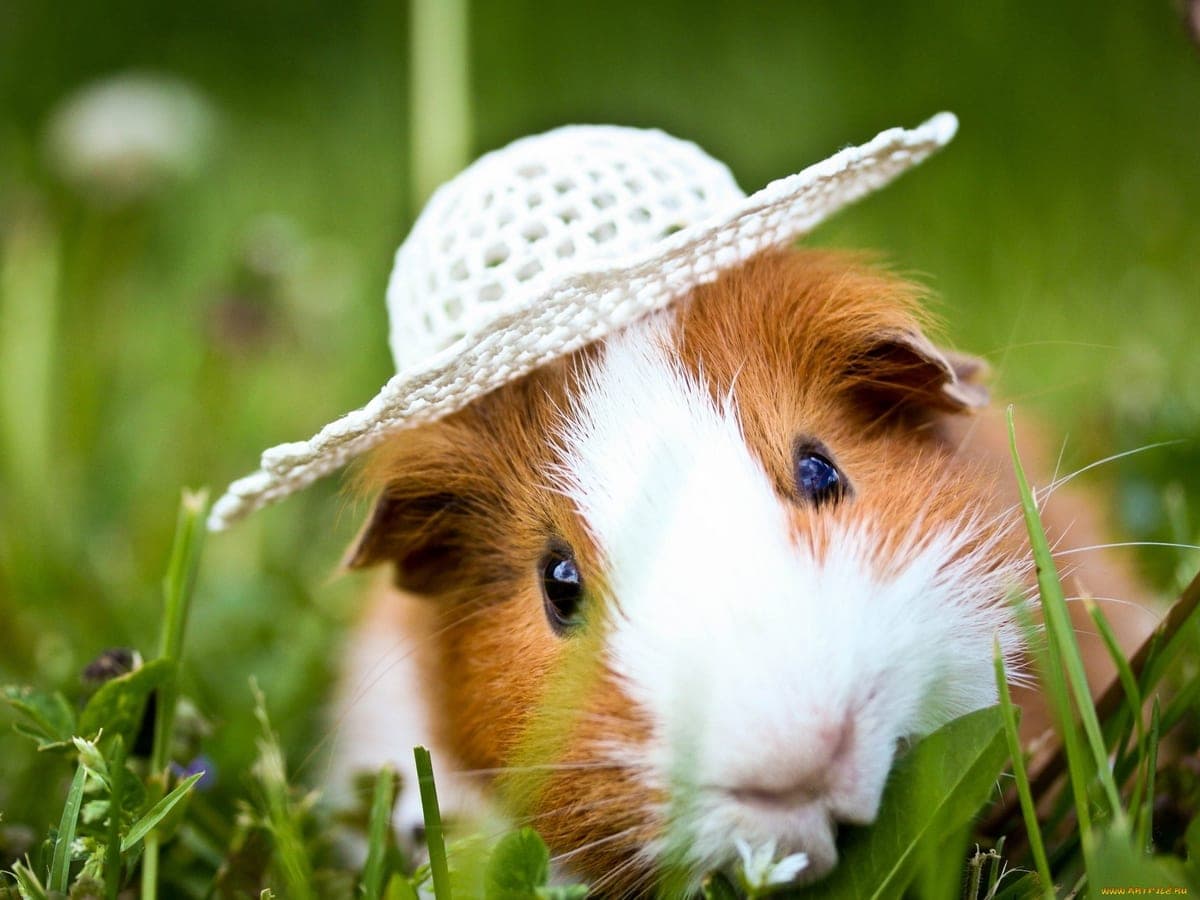
Category overview
The most common grooming mistake with small animals is treating them like tiny dogs. A rabbit dropped into a sink of water can go into shock, a chinchilla’s dense coat traps moisture toward the skin, and a nervous hamster squeezed in a towel learns to fear hands forever. Grooming these species well means working with their biology: brushing on the schedule each coat actually needs, trimming nails with a plan for the quick, and letting dust do the bathing nobody should.
Each Coat Has Its Own Schedule
Grooming needs track coat type more than species labels. Short-haired rabbits manage with a going-over once a week, while long-haired breeds such as Angoras collect tangles daily and need a brush session every single day. Guinea pigs sit in between: smooth coats want weekly attention, and long-haired breeds like Peruvians need daily detangling around the rear, where bedding and moisture conspire. Hamsters and gerbils largely groom themselves and want your hands mostly for health checks. Write the cadence down; memory drifts toward neglect.
Selection tips
- Set a phone reminder for brushing; calendars beat good intentions.
- Long-haired coats need daily detangling, especially around the rear.
- Log every grooming session briefly so slips stay visible.
Brushing Long Hair Before It Mats
Mats are not just ugly; they pull skin, hide problems, and can form fast on a long coat within days. Work with a wide-tooth comb first to find the edges of any tangle, then a slicker-style brush for the surface, always in the direction the fur grows. Sheds happen a few times a year, and during those weeks daily brushing matters most, because loose undercoat trapped against skin invites irritation. A mat you cannot gently tease apart is a job for careful scissors or a professional, not a stronger pull.
Selection tips
- Comb through to skin level; surface brushing hides developing mats.
- Brush daily through shed season, weekly the rest of the year.
- Cut stubborn mats flat with scissors, never pull them loose.
A wide-tooth comb locates the true edges of a mat so the brush works with the tangle instead of tightening it. Always finish long coats at the rump, where mats form first.
Nail Trims and Respecting the Quick
Nails that click on a hard floor are overdue. Inside each nail runs the quick, a living blood supply you can see through pale claws as a pink shadow, and invisible inside dark ones, which is why dark-nailed animals get conservative, tip-by-tip trims. Keep styptic powder within reach before you start, hold the paw firmly but gently, and take small slices at an angle that follows the nail's curve. One accidental nick is survivable and forgivable; press the powder on, offer calm, and finish the session later rather than pushing trust.
Selection tips
- Trim monthly, or whenever nails begin clicking on floors.
- Snip thin slivers on dark nails; the quick hides completely.
- Set styptic powder out on the table before any trim begins.
Chinchilla Dust Baths, Never Water
A chinchilla's fur holds dozens of hairs per follicle, dense enough that water soaks in and refuses to leave, setting up skin disease that a dust bath prevents entirely. Offer a container of chinchilla dust deep enough to roll in for ten or fifteen minutes, a few times a week, then remove it, because unlimited access to dust can dry skin out. The bath container itself is a shopping decision: sturdy walls, a size the animal can flip fully in, and a shape that dumps clean. Comparing dust-bath house listings by wall height and floor size turns this from guesswork into a quick check.
Selection tips
- Schedule dust baths a few times weekly, then remove the container.
- Let damp chinchillas air-dry away from drafts, never with high heat.
- Sift used dust for droppings and swap it out regularly.
If a chinchilla gets truly wet, dry low heat gradually and ask an exotics-savvy veterinarian to check the skin. Trapped moisture in that coat leads to fungus and worse.
Bathing? Almost Never for These Species
Rabbits and guinea pigs self-groom, and a full bath strips protective oils while stressing an animal whose stress response is physical, not just emotional. Reserve real baths for medical directions from a veterinarian and use pet-safe products then. Everyday cleaning is spot cleaning: a damp cloth on a dirty rump, a gentle wipe of scent-gland buildup, cornstarch-based dry shampoo worked into a greasy patch and brushed out. Most 'dirty small pet' problems are cage-cleaning problems in disguise, which is cheaper to fix at the source.
Selection tips
- Spot clean dirty rear ends with a damp cloth, not a bath.
- Ask an exotics vet before any medicated or full-body wash.
- Fix recurring greasiness by changing the bedding routine first.
Grooming Time as Health Inspection
Every brush session doubles as a physical exam, and that is where grooming earns its keep. Part the fur and feel along the body for lumps, scabs, or patches where fur lifts too easily. Check teeth alignment through the front view, since dental trouble announces itself in drooling or selective eating long before it looks dramatic. In warm months, rabbits housed outdoors need daily bottom checks for flystrike risk, which moves fast once it starts. Anything you find belongs with a veterinarian experienced with exotics promptly, not in a watch-and-wait folder.
Selection tips
- Run hands fully along the body at every brushing session.
- Weigh monthly and note any steady drop for your vet.
- Do daily rear checks on outdoor rabbits through warm weather.
Building a Small Tool Kit
You need less gear than the shelf implies. A soft bristle brush suits short coats, a wide-tooth comb and a slicker-style brush handle the long ones, and small straight or guillotine-style clippers serve most nails; pick whichever style you can control precisely on a squirming animal. Add styptic powder, and a sturdy dust-bath house if a chinchilla is in the family. As you compare grooming listings for small animals, weight and grip comfort matter more than accessory counts, because an awkward tool in a small hand causes accidents.
Selection tips
- Choose clippers you can control one-handed on a wriggler.
- Buy styptic powder before the first nail session, not after.
- Compare dust-bath house dimensions against your chinchilla's full roll.