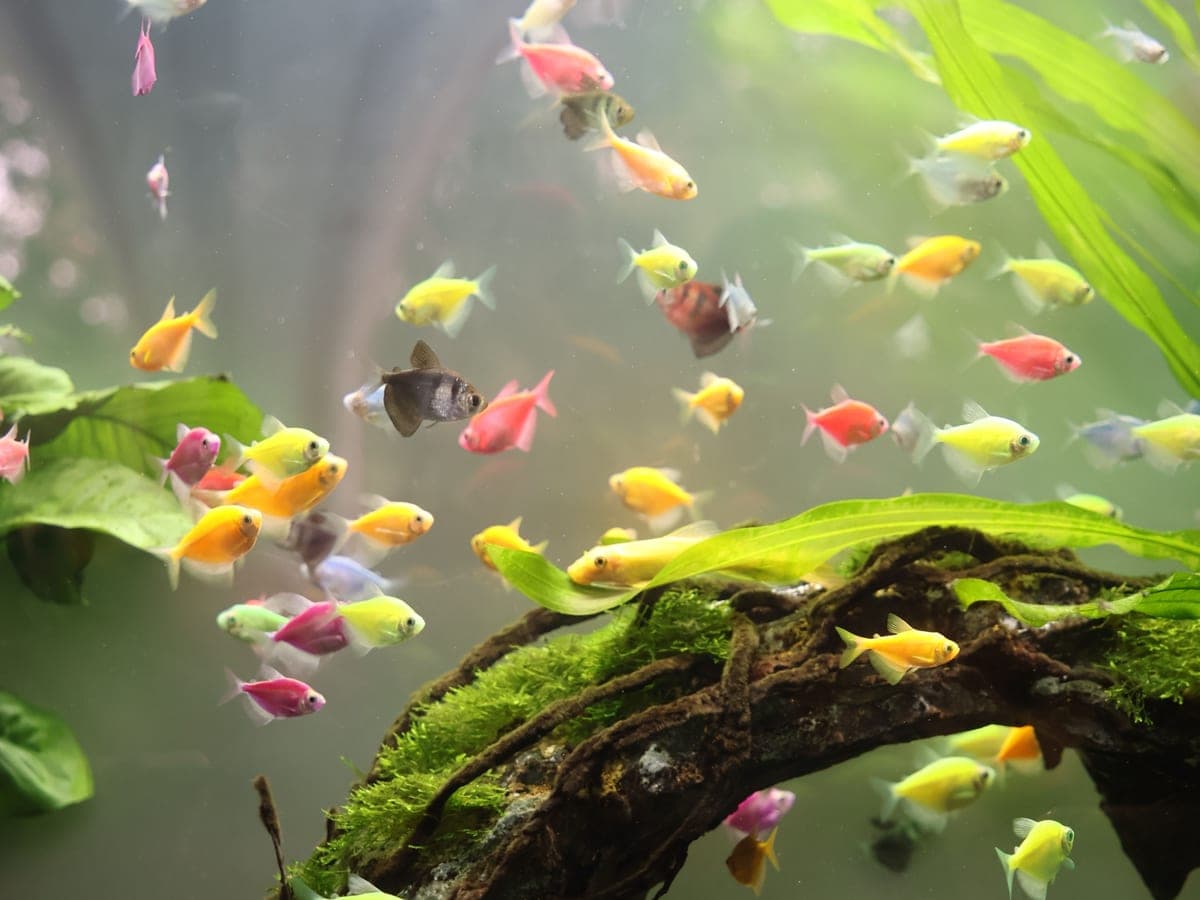
Category overview
The classic aquarium disaster story starts with admirable intentions: an owner decides the tank looks dingy, empties it completely, scrubs everything sparkling, and refills it fresh. Within weeks, fish fade and the water turns hostile, because the cleaning erased the bacterial ecosystem that held the toxicity down. Real aquarium cleaning is smaller, calmer, and endlessly repeatable. This article lays out the rhythm: partial water changes, gravel vacuuming, glass scrubbing, filter media rinsed gently in tank water, and the discipline of never starting over.
Why Partial Water Changes Work
A partial change is dilution, and dilution is the gentlest tool in fishkeeping. Replacing a slice of the water lowers nitrate, replaces trace elements, and resets dissolved waste, all while leaving the bacterial population and the fish's world standing. A common rhythm is somewhere between ten and twenty-five percent of the volume every week or two, tuned by your test readings rather than the calendar. Consistency beats intensity: small and steady keeps parameters calm, while rare dramatic swings stress everything living.
Selection tips
- Change a modest slice weekly, sized by your nitrate readings.
- Match new water temperature and treat every drop before pouring.
- Pour gently onto a hand or plate to avoid uprooting.
Log the date, the volume changed, and the nitrate reading every session. After a month the pattern tells you your exact rhythm, and guessing ends.
Gravel Vacuuming Without Destroying Biology
Waste settles into substrate, and the siphon's vacuum head lifts it out with the old water. Push the tube into gravel and let the grains tumble clean in the flow; over sand, hover just above the surface instead, since sand plumes up the hose. You are not sterilizing the floor, just clearing the mulm that accumulates, so a different patch each visit is fine and planted roots stay safe. The goal is waste removal, not a spotless moonscape.
Selection tips
- Plunge the tube into gravel, hover it over sand.
- Rotate which areas get vacuumed so plant roots stay undisturbed.
- Watch the drain color; pale water means that patch is done.
Glass Scrubbing Before Algae Settles In
Clean the glass first, before drawing any water out, so the scraper's debris rides the siphon out instead of resettling. A pad or blade clears green films and early diatom dust in a few passes, and the trick is frequency: a quick wipe each week prevents the crust that demands elbow grease. Work top to bottom, mind the silicone seams with blades, and keep an acrylic-safe pad for acrylic tanks. Clear glass is how you actually see your fish.
Selection tips
- Scrape before siphoning so loosened debris leaves with the old water.
- Steer blades away from silicone seams to avoid nicking the joins.
- A weekly ten-second wipe prevents the monthly scrubbing siege.
Rinse Filter Media in Tank Water Only
Your filter media is a bacterial city, and chlorinated tap water is a bulldozer through it. When flow slows, take the sponges and mechanical media out during a water change and squeeze them clean in the bucket of removed tank water, which lifts trapped sludge while the colony survives. Never run media under the tap, never boil sponges, and never replace every media stage at once; stagger anything you swap so the bacterial population always has somewhere to stand. As you compare replacement media listings, matching your filter's trays and stages matters more than any clever claim.
Selection tips
- Squeeze sponges in removed tank water until flow returns to normal.
- Stagger media replacement so bacteria always retain a foothold.
- If a filter stops for hours, keep media wet and restart gently.
Chlorine and chloramine in untreated tap water can devastate your filter bacteria in a single rinse. Only removed tank water ever touches media. If a filter sits unplugged for hours, keep it wet and feed lightly while readings settle.
Why a Full Teardown Backfires
Stripping a tank to blank glass resets the ecosystem to day zero, and every reassembled tank pays new-tank prices again: ammonia spikes, stressed fish, weeks of careful feeding. The ecosystem you spent months growing lives in the filter, the substrate, and the biofilm on every surface, and soap or a dry afternoon ends it. Established tanks run for years on partial changes alone. Reserve anything close to a teardown for genuine emergencies like a cracked pane or a relocation, and even then carry the old media wet.
Selection tips
- Handle serious messes with staged partial changes, not a reset.
- During moves, transport filter media wet to preserve the colony.
- Never let media dry out; the bacterial city dies in hours.
Building Your Weekly Cleaning Rhythm
Order of operations turns chores into one calm session. Scrape the glass while everything is still full, so loosened algae rides the siphon out instead of resettling on plants. Siphon the substrate next and drain the slice you owe, then rinse filter media in that removed water if flow has slowed. Refill gently with treated, temperature-matched water, and top off any evaporation with fresh treated water. Log the date, the volume, and the nitrate reading afterward; after a month the notebook names your rhythm better than any rule of thumb can. As you compare siphons and water-change kits, favor whatever shortens the session, because the rhythm you keep beats the gear you admire.
Selection tips
- Sequence glass, gravel, filter, refill, then log the session each week.
- Let nitrate readings adjust the size and pace of your changes.
- Keep one fish-only bucket and one hose for every water change.